Tide Pools and Rocky Shores: Exploring Cornwall's Intertidal Zone
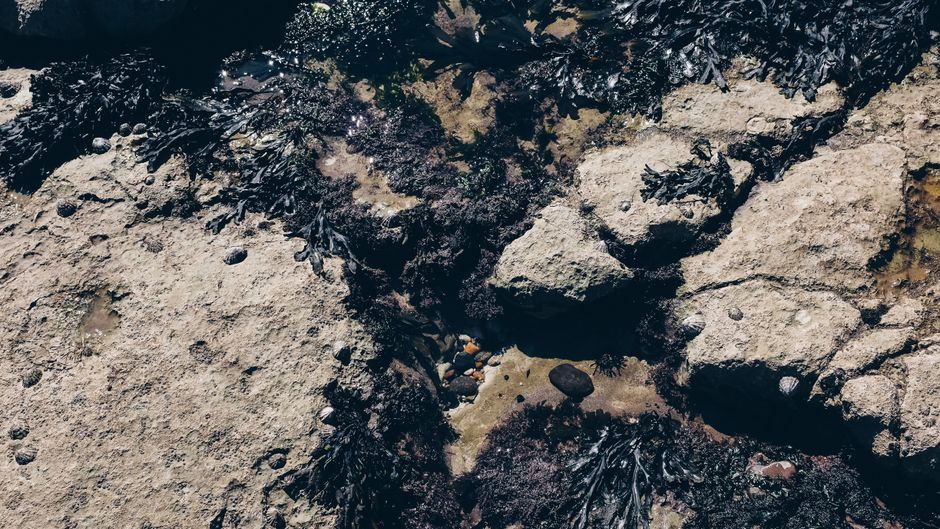
Cornwall's rocky coastline is home to one of Britain's most diverse and accessible marine ecosystems: the intertidal zone. Exposed at low tide, these rock pools contain a miniature world of extraordinary creatures adapted to life between land and sea.
Planning Your Visit
Timing is crucial when exploring tide pools. Visit within two hours of low tide to maximise your viewing time. Check tide tables before you go—many Cornish beaches publish these online or at visitor centres. Wear appropriate footwear with good grip, as rocks become slippery with algae. Bring a small net, bucket, and guidebook to enhance your exploration without damaging the habitat.
Common Pool Dwellers
Anemones are among the most fascinating residents. The beadlet anemone displays vibrant colours ranging from crimson to green, whilst dahlia anemones can grow surprisingly large. Starfish, particularly common starfish and brittlestars, move slowly across the rocks. Hermit crabs scuttle about in borrowed shells, whilst edible crabs hide in deeper crevices. Small fish including gobies, blennies, and young wrasse dart between rocks and seaweed.
Seaweed and Algae
The zone's diverse algae form the foundation of this ecosystem. Kelp, with its distinctive long fronds, occupies deeper pools. Bladder wrack, identifiable by air-filled bladders, dominates mid-shore rocks. Delicate sea lettuce and coralline algae add variety, whilst encrusting red algae gives rocks a speckled appearance. Each species occupies a specific zone determined by tolerance to exposure and wave action.
Responsible Exploration
When observing pool life, avoid turning over rocks unless you can replace them exactly as found. Rocks are homes to countless creatures underneath. Return any animals you've caught to their original pool immediately. Never remove creatures as pets—they're adapted to specific conditions and won't survive in aquaria. Avoid stepping on seaweed and anemones, and wash your hands after exploring to prevent spreading disease.
Seasonal Variations
Spring brings breeding activity and increased diversity. Summer offers calm conditions perfect for exploration, though pools may become warm. Autumn brings stormy seas that churn the pools. Winter visits reveal different species, particularly after storms when unusual creatures appear.
Cornish tide pools offer free education in marine biology. Whether you're a seasoned naturalist or visiting with curious children, these rocky shores reveal nature's remarkable engineering and diversity.