Common Garden Birds of Cornwall: A Seasonal Guide
Cornwall's mild climate and diverse habitats make it a wonderful place to observe garden birds. Whether you're a keen birdwatcher or simply enjoy the wildlife visiting your garden, understanding which species you're likely to see can greatly enhance your appreciation of nature.
Spring and Summer Visitors
As the weather warms, many migratory birds return to Cornwall. Swallows and house martins arrive in April, identifiable by their acrobatic flight as they hunt insects over gardens and fields. Blackcaps and garden warblers also appear during this period, often heard before they're seen as they sing from dense shrubs. These summer visitors are attracted to gardens with plenty of insect life and berry-bearing plants.
Year-Round Residents
Several species remain in Cornish gardens throughout the year. Robins are perhaps the most iconic, their red breast unmistakable even in poor light. Blue tits and great tits are equally common, with their acrobatic antics on bird feeders providing endless entertainment. Blackbirds, wrens, and dunnocks are also permanent fixtures, foraging on the ground for insects and seeds.
Winter Specialists
Winter brings different opportunities for birdwatching. Fieldfares and redwings arrive from Scandinavia, often stripping berry-laden bushes. Coal tits become more visible around feeders, whilst goldfinches gather on teasel and niger seed feeders. If you're lucky, you might spot a nuthatch or treecreeper exploring tree trunks.
Attracting Garden Birds
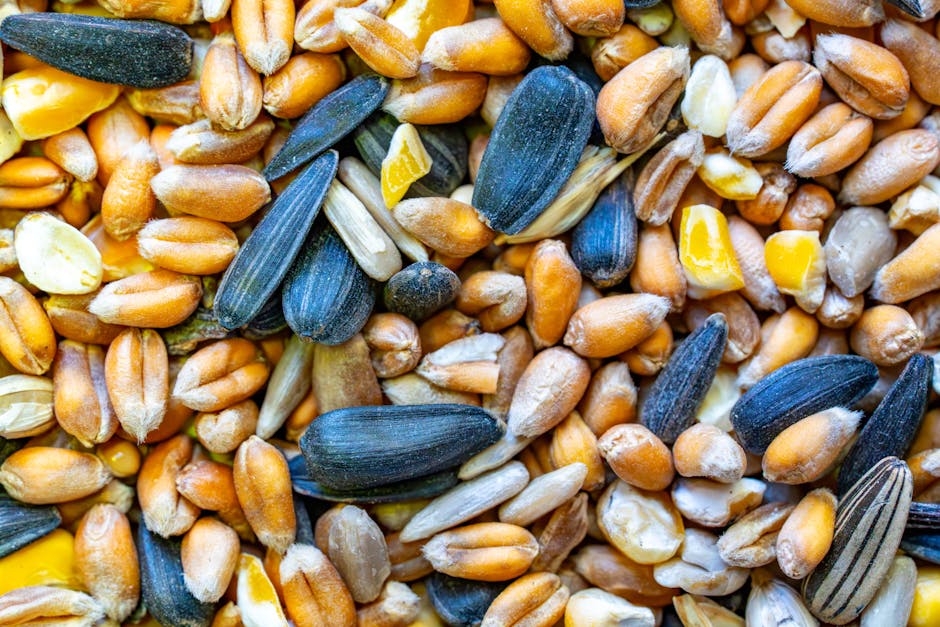
To encourage birds to visit your garden, provide several types of food depending on the season. High-energy suet is essential in winter, whilst niger seed and sunflower hearts appeal to many species year-round. Fresh water for drinking and bathing is equally important. Dense shrubs and trees provide shelter and nesting sites, whilst leaving some areas unmown helps insects flourish—the primary food source for many birds.
Identification Tips
When trying to identify birds, note their size, colour patterns, behaviour, and habitat preferences. A small garden notebook or smartphone camera can help you record sightings. Many apps now use artificial intelligence to identify birds from photos, making the hobby more accessible than ever.
Cornish gardens offer a front-row seat to remarkable natural dramas. By understanding the species present in each season and providing appropriate support, you'll transform your outdoor space into a thriving wildlife haven.